Texas Renters'
Deposit Rights.
Texas law gives you powerful tools to fight back against unfair landlord charges — including up to 3× your deposit + $100 for bad-faith withholding. This is your Texas command center.
Free audit · No account required · Full case audit included
Texas Property Code
Chapter 92 Compliant
8 Statute Sections
Analyzed per case
Self-Representation
No attorney required
Justice of the Peace Court
Designed for renters like you
Texas Deposit Rights — Complete Resource
Find the Texas page you need
Whether you need the law, a dispute guide, a county filing path, or just want to run the audit — start here.
Texas Security Deposit Law
The full Texas Property Code § 92 explained in plain English.
Texas Deposit Disputes
Common landlord violations and how to fight each one.
Texas County Filing Guides
How to file in Justice of the Peace Court by county.
Texas City Guides
Austin, Houston, Dallas, San Antonio — city-specific guidance.
Deadline & Penalty Questions
What happens if your landlord misses the 30-day rule?
Run the Free Texas Audit
Answer 8 questions. Get your exact recovery estimate now.
Is This You?
Texas landlords routinely make deductions that are illegal under state law. Recognize any of these?
Charging you for professional carpet cleaning?
Routine carpet wear is the landlord's cost — not yours
Billing for touch-up paint or wall scuffs?
Normal paint wear after years of living is expected
Deducting for lightbulbs or batteries?
Consumables are a landlord maintenance expense
It's been over 30 days and you've heard nothing?
Texas law requires return or written statement within 30 days
Never received an itemized deductions list?
Without a written statement, the landlord may forfeit all deductions
Being charged for damage that was already there?
Pre-existing damage must be documented at move-in to be a valid charge
Repair bills that seem wildly inflated?
Deductions must reflect actual, documented repair costs
Deposit kept after you ended your lease early?
Early termination has specific rules — blanket forfeiture is not one of them
Under Texas Property Code § 92, these are often illegal deductions.
You aren't just asking for your money back — you are asserting your rights. Texas law is on your side, and the penalties for landlords who act in bad faith are significant.
The Texas 3× Multiplier
In Texas, bad faith isn't just a frustration — it's a legal multiplier. We help you calculate exactly what you are owed.
Landlord keeps your deposit
You demand under § 92.109
How the Math Works
Original Deposit
Amount withheld by landlord
3× Bad Faith Multiplier
§ 92.109 — if landlord acted in bad faith
Statutory Penalty
$100 flat penalty under § 92.109
Total Recoverable
Plus attorney fees if you go to court
Note: The 3× multiplier applies when a court finds the landlord acted in bad faith. Our audit identifies the specific facts that support this finding in your case.
Texas Property Code § 92
What Texas law actually says
Four rules every Texas renter should know before they accept a single deduction.
The 30-Day Rule
Your landlord must return your deposit — or send an itemized list of deductions — within 30 days of move-out. Miss that deadline and they forfeit the right to keep any of it.
Deep dive →Itemized Deductions Required
Landlords cannot simply keep your deposit. They must send a written, itemized statement of every deduction. A vague 'cleaning fee' is not sufficient under Texas law.
Deep dive →Normal Wear and Tear
Landlords cannot charge for normal wear and tear — faded paint, minor scuffs, carpet worn from regular use. These are the cost of doing business, not your responsibility.
Deep dive →Bad-Faith Penalty: 3× + $100
If a court finds your landlord acted in bad faith — withholding your deposit without a legitimate reason — you can recover three times the deposit amount plus $100 in statutory damages.
Deep dive →Ready to see what you're owed?
Answer 8 questions about your Texas move-out. Get your exact recovery estimate — including whether your landlord may owe you 3× your deposit.
No lawyer required. Results in minutes.
Free Case Audit
Answer a few questions and get a real-time estimate of what you're owed under Texas law.
Which state was your rental in?
Our tools are currently optimized for Texas law
Estimated Recovery
Answer questions to find violations
Ready to send a demand letter?
Our Recovery Packet includes a pre-filled statutory demand letter with your specific violations cited.
Texas Deposit Disputes
Does any of this sound familiar?
These are the most common ways Texas landlords illegally reduce or withhold deposits. Select the one that matches your situation.
Carpet Cleaning Charges
Landlords routinely charge for 'professional carpet cleaning' — even on carpets worn by normal use. This is often an illegal deduction under Texas law.
Repainting & Nail Holes
Minor nail holes from hanging pictures and normal paint fading are wear and tear. Charging you to repaint an entire room is almost always improper.
Professional Cleaning Fees
A flat 'move-out cleaning fee' in your lease does not automatically make it legal. Texas courts scrutinize these charges carefully.
Key & Remote Replacement
Charging $150 for a key fob or $75 per key when the actual cost is far lower is a common bad-faith tactic. Document the actual cost.
Deposit Not Returned on Time
If your landlord misses the 30-day deadline, they may have forfeited their right to keep any deductions — regardless of the condition of the unit.
No Itemized Deductions
Receiving a check for less than your deposit with no explanation is a clear violation. Texas law requires a written, itemized statement.
Don't see your situation? Browse all Texas dispute types →
Texas Local Filing Guides
Texas law is statewide.
Filing depends on your county.
The rules are the same across Texas — but the Justice of the Peace Court process varies by county. Find your local guide below.
County Filing Guides
Texas law is uniform statewide. The 30-day rule, itemization requirement, and bad-faith penalty apply equally in every Texas city and county. Local guides cover the specific Justice of the Peace Court procedures and small claims filing steps in your area.
How We Help
A clear, three-step path from "I've been robbed" to "check in the mailbox."
The Full Case Audit
Answer a few targeted questions about your move-out date, deposit amount, and the charges your landlord is claiming. No legal knowledge required.
The Evidence Scan
Our system cross-references your answers against Texas Property Code § 92. We identify exactly which statutes were violated and by how much.
The Recovery Packet
Receive a professional, statutory demand letter pre-filled with your specific facts and the exact legal citations your landlord cannot ignore.
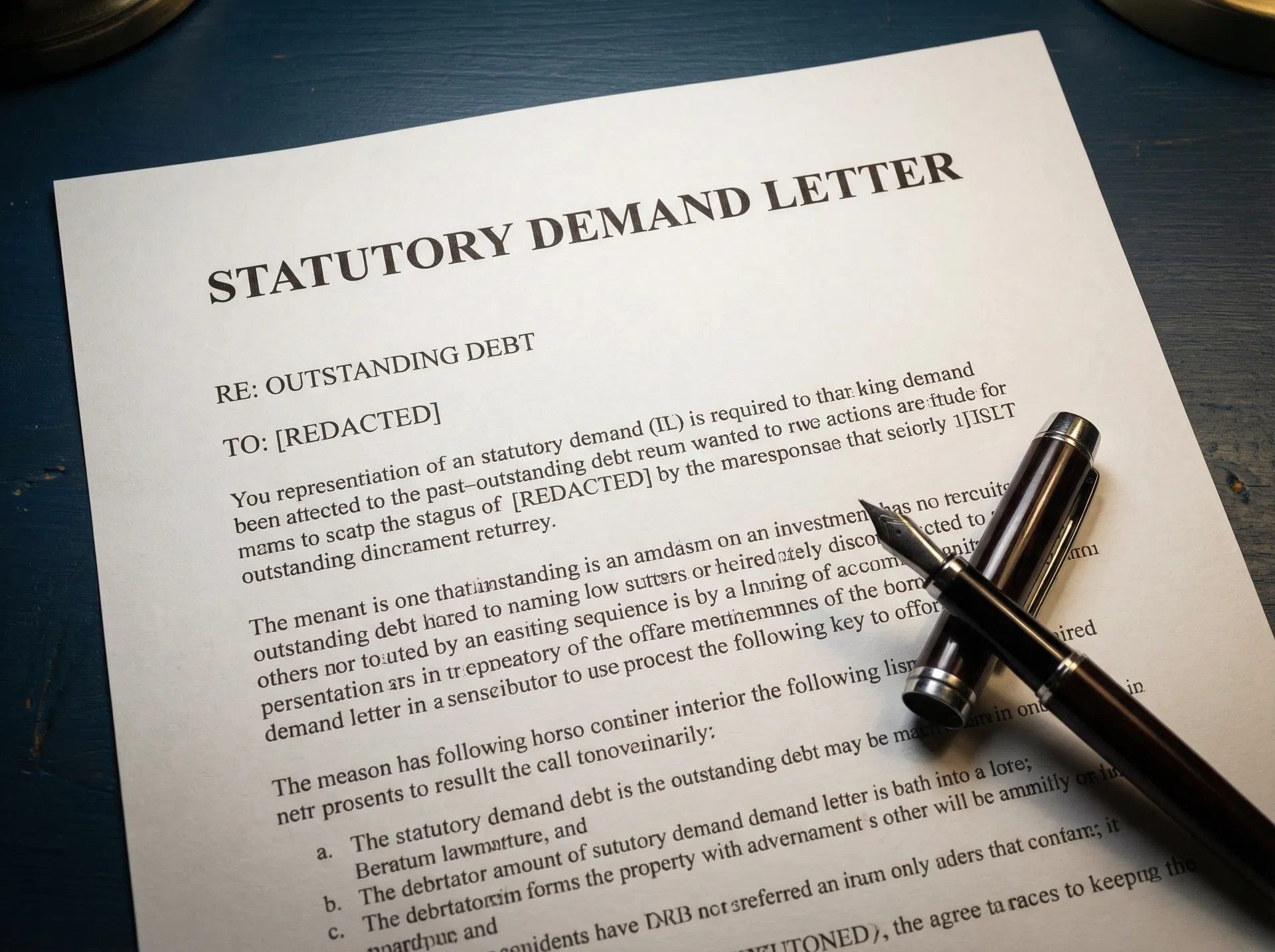
Statutory Demand Letter
Pre-filled with your case facts & Texas law citations
87%
settle before court
Texas Renters Getting Results
Real outcomes from renters who used DepositRights to assert their rights.
My landlord kept $950 claiming 'excessive cleaning.' DepositRights showed me it was illegal under § 92.104. I sent the demand letter and had a check in 18 days.
Marcus T.
Austin, TX
They never sent me an itemized statement. DepositRights identified the 30-day violation immediately. The Court-Ready Packet had everything I needed for small claims court.
Priya K.
Houston, TX
I was intimidated to push back against my property management company. The demand letter template was professional and cited the exact statutes. They settled within two weeks.
James R.
Dallas, TX
Outcome vs. Cost
A $99 investment to pursue a recovery of up to 3× your deposit + $100 under state law. Choose the level of support you need.
Standard Recovery
Everything needed to settle without court
vs. $300–$500/hr for an attorney
- Full case audit
- Texas § 92 violation analysis
- Itemized illegal deductions report
- Professional statutory demand letter
- Certified mail instructions
- 30-day follow-up checklist
- Email support
Court-Ready Packet
Everything in Standard + court-ready documents
vs. $300–$500/hr for an attorney
- Everything in Standard Recovery
- Small Claims Court filing forms
- Pre-filled petition with your facts
- Hearing preparation script
- Evidence organization guide
- Witness statement templates
- Priority email support
Common Questions
Everything you need to know about Texas security deposit law and your rights.
Still have questions?
Our audit tool will analyze your specific situation and identify the exact statutes that apply to your case.
Under Texas Property Code § 92.103, your landlord must return your security deposit — or provide a written, itemized list of deductions — within 30 days of your move-out date. Failure to do so creates a presumption of bad faith, which triggers the 3× penalty.